


See More Games










Play Tetris Classic Game Online for Free
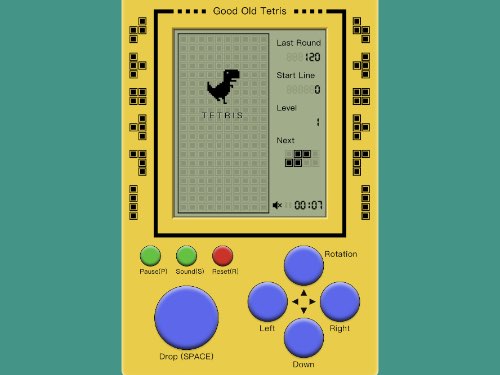
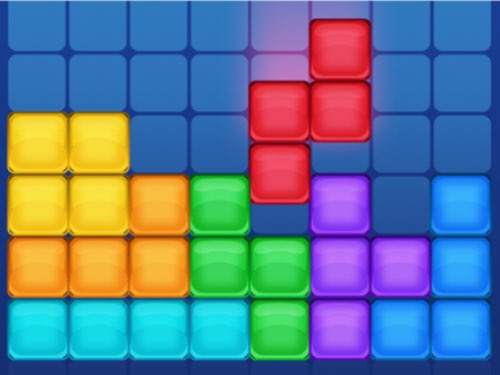
Tetris is a puzzle game in which players break rows and columns of blocks to empty the screen. Each row and column are comprised of falling forms, and the player must rotate them to fill a horizontal line.
Tetris has been ported to many computers since its Electronika 60 debut. PCs, Macs, cellphones, and iPods can play. Guinness World Records says Tetris is on 65 platforms as of October 2010.
Richard Haier et al. found that playing Tetris for longer improves cognitive ability. Tetris improves glucose metabolism, a mental energy expenditure marker. More competence in Tetris means the brain uses less glucose, indicating better functioning. Three months of daily Tetris gaming increases cerebral cortical thickness and improves cognitive functions like "critical thinking, logic, language, and processing."
Doctoral candidate Jessica Skorka-Brown and lecturers Jackie Andrade and Jon May of Plymouth University's Cognition Institute found that playing Tetris distracted people from their appetites.
Healthy volunteers who played Tetris after viewing traumatic material in the lab had fewer flashbacks a week later. In January 2009, this study was published. They fear playing the video game will affect their ability to develop enduring memories, leading to terrible flashbacks. The scientists highlighted that these are preliminary results, but they hoped to broaden this method as a potential intervention to reduce PTSD flashbacks. Playing Tetris or a similar game while waiting for treatment after a car accident reduced traumatic memories a week later.
Alexey Pajitnov, a Soviet software developer, created Tetris in 1984. Many firms published versions of the work for multiple platforms during a legal struggle in the late 1980s. Pajitnov acquired the game's rights in 1996 and, with Henk Rogers, founded the Tetris Company to handle licencing.
Tetris players clear lines with falling shapes (tetrominoes). After completing a line, the player obtains points and can fill in the gaps. The game ends when uncleared lines reach the board's edge. Better scores delay this longer. In a multiplayer game, you must outlast your opponents and punish them if you finish enough lines. Depending on the edition, you can reserve pieces or examine the board in 3D.
Tetris' basic principles made it one of the first great video games. Tetris has sold 202 million copies as of December 2011. 70 million physical sales and 132 million mobile game downloads. The Game Boy version has sold over 35 million copies. Tetris is the most widely distributed video game, having been converted to 65 systems. Tetris influences architecture, music, and cosplay. Multiple studies have proved the game's impact on the brain after a session (the "Tetris effect").